The One Weekend Garage Cleanout
The garage is where household optimism goes to pile up. Every project leftover, every outgrown bike, every box that had no obvious home for the last decade lands there, until one crisp fall morning you realize the car has not been inside in years and winter is coming.
The one weekend garage cleanout is a real thing, and Winchester families run it every fall. It takes a free Saturday, a plan, and a container in the driveway so every decision ends with the item actually leaving. Here is the plan.
What size dumpster do you need for a garage cleanout?
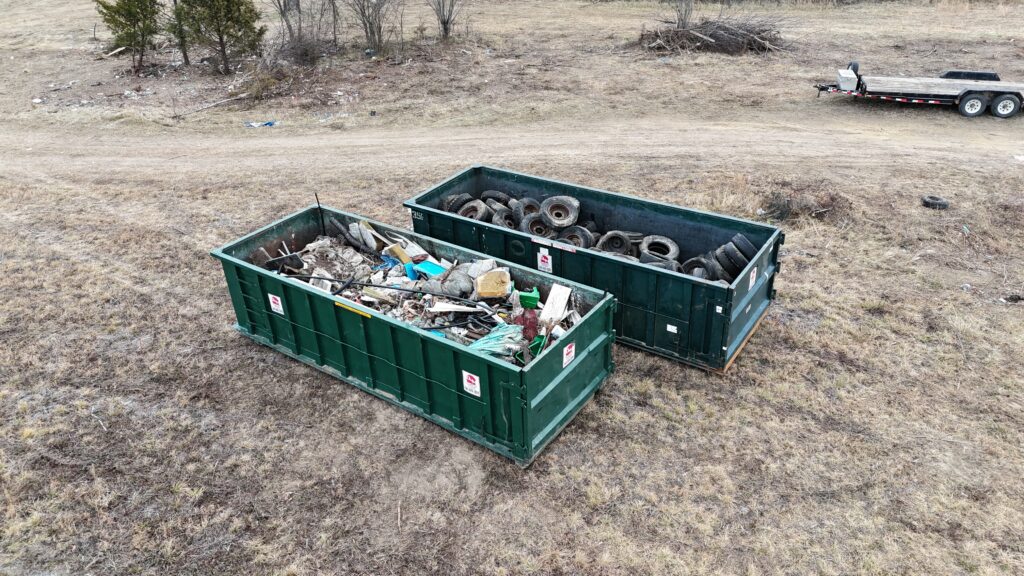
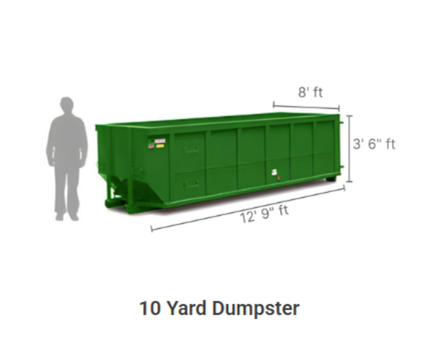
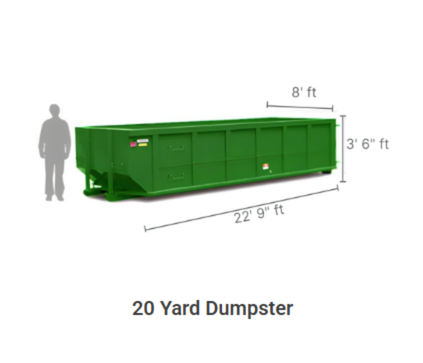
A 10 yard roll off covers most one and two car garage cleanouts, holding roughly five pickup truck loads of debris. Step up to a 20 yard when the garage project expands into the basement or the shed, when bulky furniture is part of the pile, or when years of contractor leftovers are stacked along the walls.
The 10 yard has a bonus for this particular job: its short footprint leaves driveway room to work. A garage cleanout runs on driveway sorting space, so a container that hogs the whole pad works against you. Describe the garage and what it hides when you order and the sizing takes one try.
Why garages fill faster than any room in the house
Garages accumulate because they enforce no standards. Inside the house, clutter confronts you daily, but the garage hides its chaos behind a big door, and hiding is what it does best. It absorbs the seasonal gear, the duplicate tools, the half used building materials, and every deferred decision, and it never complains until the car is sleeping outside.
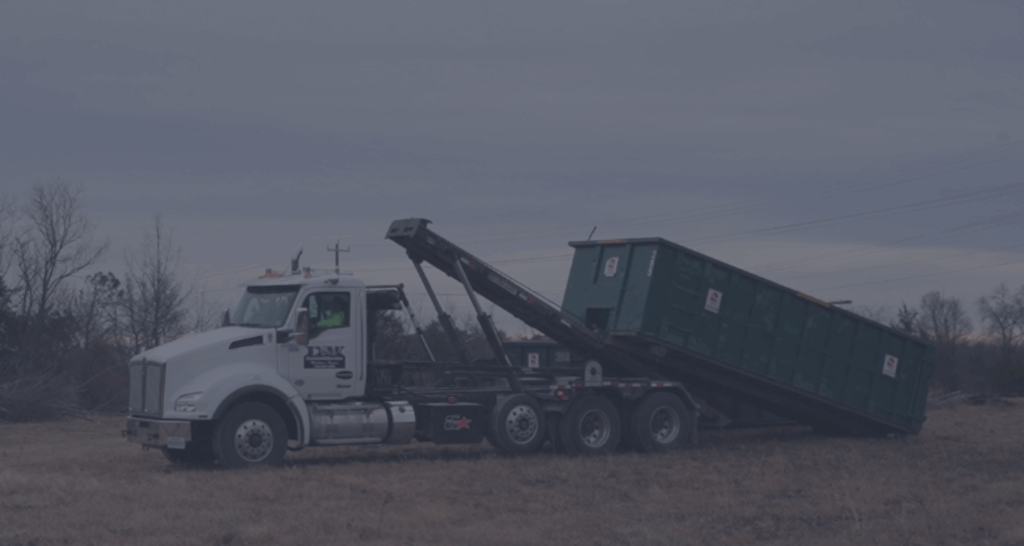
The contents also skew heavy and awkward, which is why garage cleanouts stall without disposal on site. A sofa can go to the curb, but nobody hand carries a dead snow blower, three bins of ceramic tile, and a rusted grill to the landfill in a sedan. The container removes the only real obstacle, which was never the sorting. It was the exit.
The one weekend battle plan
Saturday morning, pull everything into the driveway. Everything, because the empty garage is the whole point, and daylight is a ruthless, honest sorter. Create three zones as you unload: keep, donate, and container, and force every item into one on first touch. The keep zone must earn its space with a real answer to when you last used the thing.
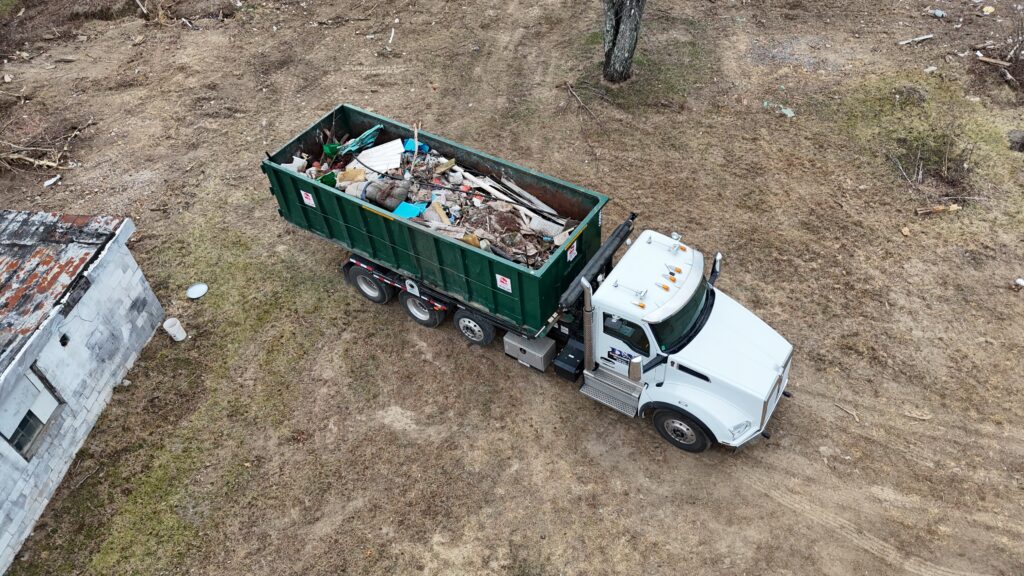
Load the container as you sort rather than building a pile to move twice. Flat items and lumber go down first, heavy items spread across the floor, and boxes and bags fill the gaps. By Saturday evening the hard calls are made, and Sunday is for sweeping the slab, laying out zones for what stays, and the deeply satisfying act of parking a car inside. If rain crashes the weekend, the container does not care. Most rentals leave room for a second push the following weekend, so ask about the window when you schedule.

The chemical shelf stays out of the container
Every garage has the shelf: half cans of paint, solvents, old gasoline, pesticides, pool chemicals, and a propane tank of uncertain vintage. None of it can ride in the container, and the same goes for tires, car batteries, and refrigerant appliances like the retired garage fridge. These are the only true detours in a garage cleanout, and they are short ones.
Frederick County’s household hazardous waste programs handle the chemicals, auto parts stores take used oil and batteries at the counter, tire shops accept old tires, and propane tanks go back through exchange racks. Latex paint has the easiest path of all: dry it out with cat litter and the hardened can rides in the container. One car trip clears the entire shelf, and running that errand Friday afternoon keeps the weekend itself uninterrupted.
Winning the space back before winter
A fall cleanout has a deadline built in: the first frosty morning you scrape windshields while a perfectly good garage holds a kayak and twelve boxes. Finish the cleanout in September or October and the car spends winter inside, which your mornings, your battery, and your paint will all appreciate.
Protect the win with structure. Give the walls the storage jobs using hooks and shelving, keep the floor for wheels only, and set a one season rule for anything new: unused by spring, it goes. Some families book a small container every couple of falls as scheduled maintenance, which beats letting the pile win again.
Bottom Line
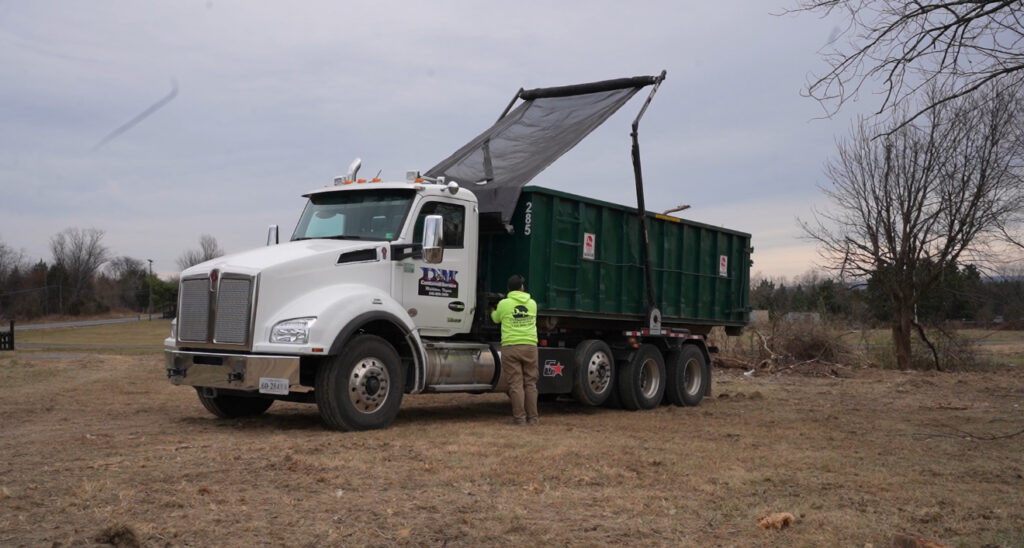
A garage cleanout is one Saturday with a 10 yard container: everything into the driveway, three zones, one touch per item, chemicals routed to their own short errands, and the load built flat and tight. By Sunday night the slab is swept and the car sleeps inside before the first frost. D&M Container Service delivers garage cleanout dumpsters across Winchester and Frederick County, usually on next day timing, so pick your Saturday and we will handle the exit.
Related reading: How Winchester Businesses Use Roll Off Dumpsters, Renting a Dumpster for a Moving Cleanout