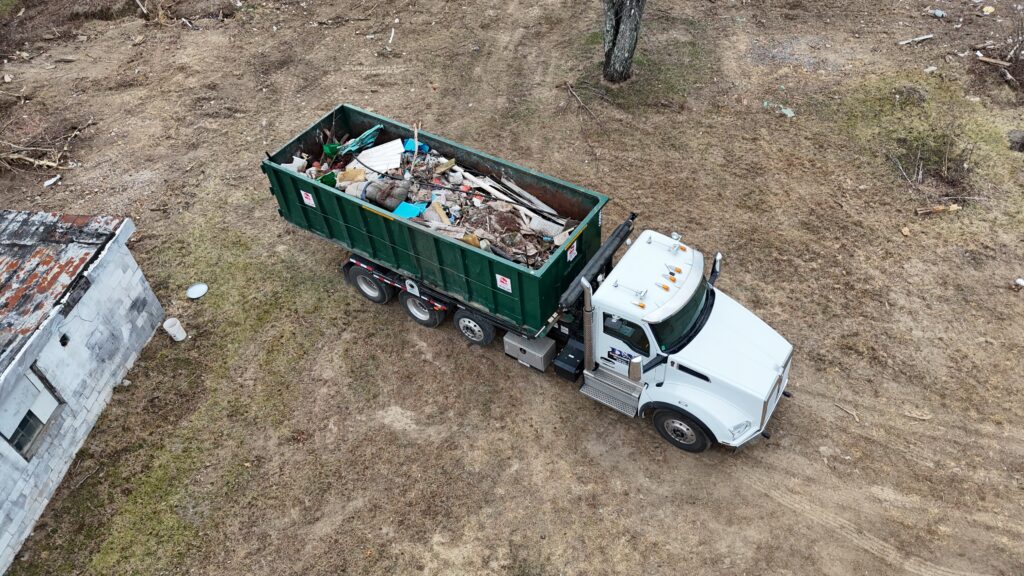
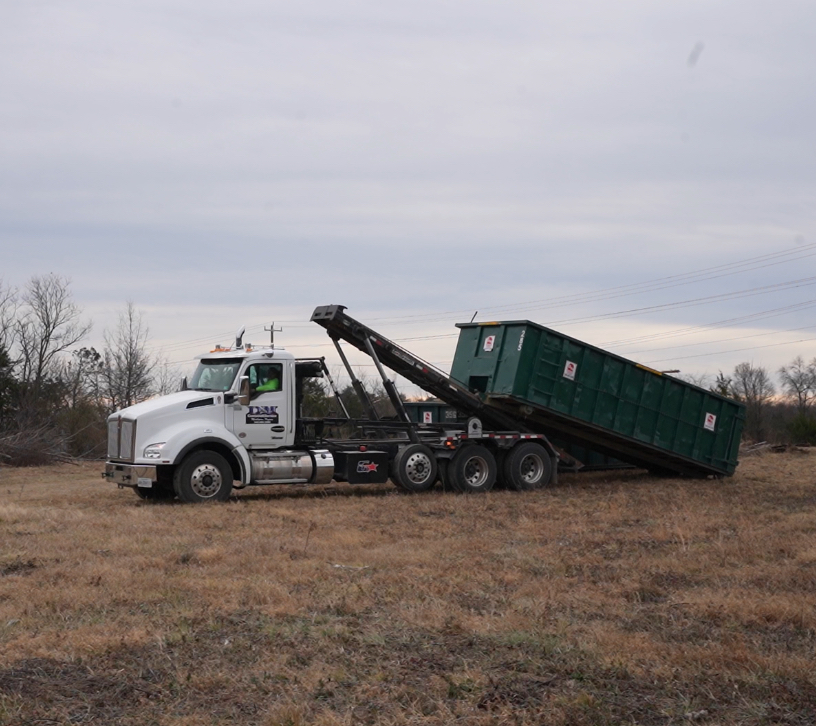
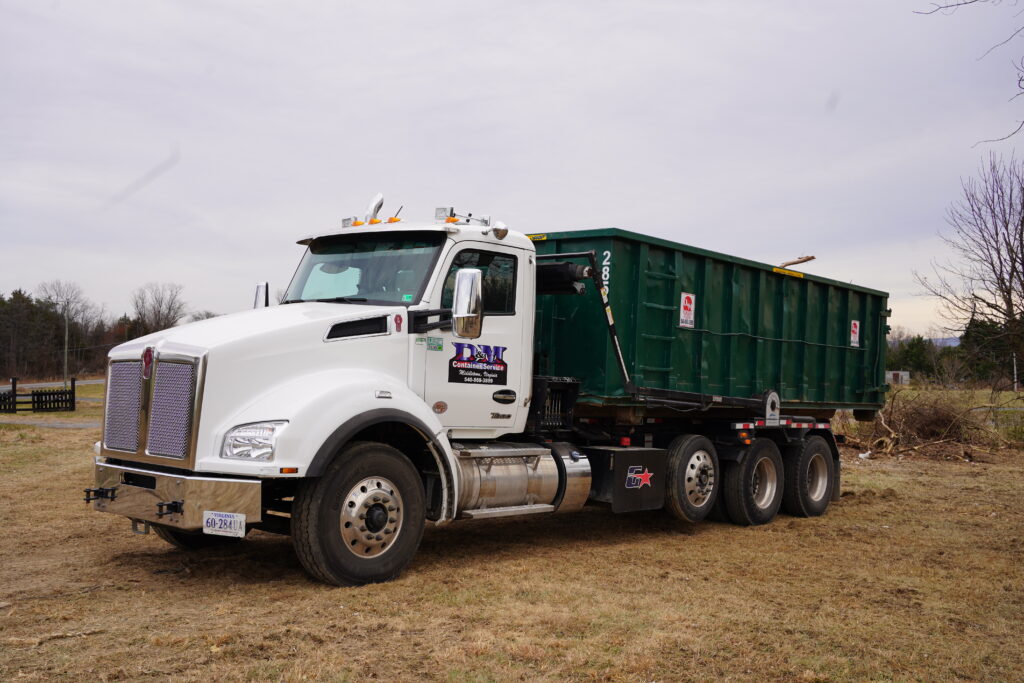
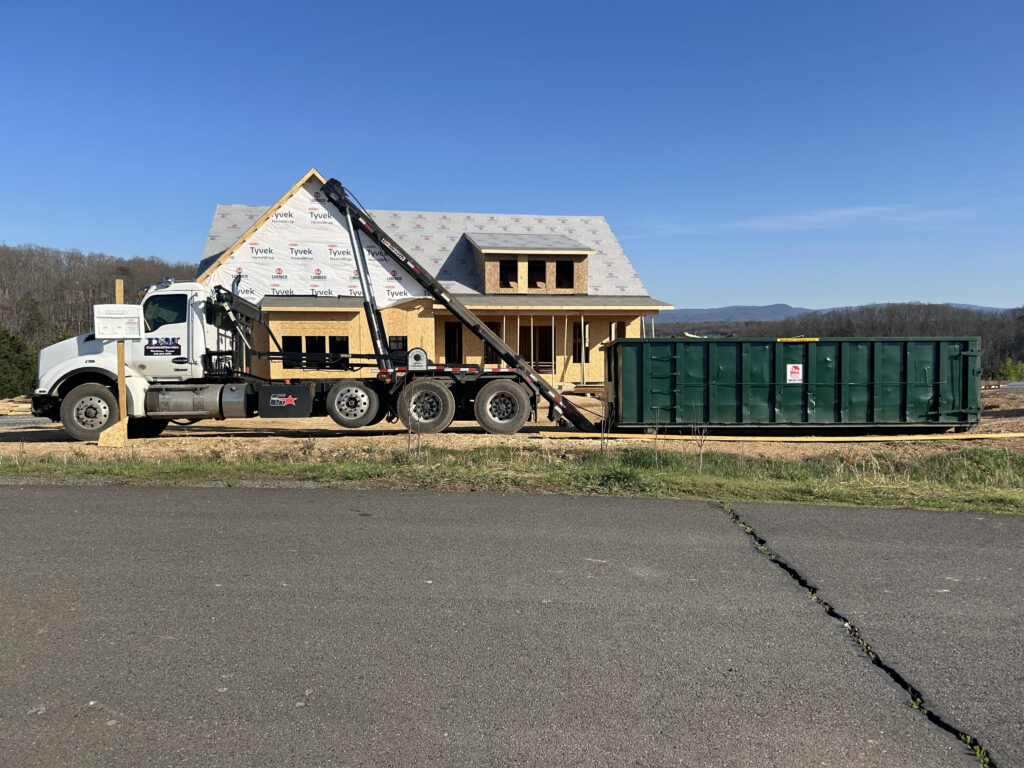
Yard Waste and Fall Cleanup with a Roll Off Dumpster

Fall in the Shenandoah Valley is gorgeous right up until it lands in your yard. The oaks and maples let go all at once, the last storms of the season drop limbs, and the garden that looked tired in September looks abandoned by October. Bag by bag disposal turns that mess into a month of weekends.

A roll off dumpster flips the math. One container in the driveway swallows the leaves, the brush pile, the dead shrubs, and the fence pickets you have been meaning to deal with since spring, and one pickup call makes all of it disappear. Here is how to run a fall cleanup with a container on site.

Can you put yard waste in a roll off dumpster?

Yes. Brush, branches, leaves, shrubs, garden debris, and general landscape waste are all accepted in a roll off dumpster, and yard waste can usually mix with household junk in the same container. The exceptions are dirt, sod, and large stumps, which are weight problems rather than rule problems and deserve a quick conversation when you order.

Mentioning yard waste on the ordering call still matters, because some disposal facilities route green loads differently than mixed debris. Thirty seconds of description gets your container matched to the right disposal path and keeps the final weight ticket free of surprises.

Can you put yard waste in a roll off dumpster?, D&M Container Service

What a Winchester fall actually produces

A typical lot in Winchester or Stephens City generates far more debris than anyone remembers from last year. Mature trees shed leaves by the hundred bag load, perennial beds need cutting back, vegetable gardens come out roots and all, and the first heavy winds bring down the deadwood that summer storms loosened. Add a gutter cleaning on top and the pile grows again.

Fall is also when postponed outdoor projects finally happen: the leaning section of fence, the rotted planter boxes, the swing set the kids outgrew, the deck furniture that will not survive another winter. Batching those teardowns with leaf season is exactly what makes a container rental worth it, since everything rides out together.

Sizing a container for green waste

Yard debris is bulky rather than heavy, which changes the sizing conversation. Branches trap enormous amounts of air, so a brush pile that looks like a 20 yard load often packs down into a 10. Cut limbs into manageable lengths, stack them in the container facing the same direction, and crush leaf bags into the gaps, and you will fit double what casual tossing achieves.

For a leaf and garden cleanup alone, a 10 yard usually covers it. Add brush from tree work or a project teardown and the 20 yard earns its space. Whole property overhauls with fencing, outbuilding cleanouts, and heavy pruning lean toward the 20 with disciplined loading, and describing the pile when you call gets you sized right on the first try.

Sizing a container for green waste, D&M Container Service

Dirt, sod, and stumps play by weight rules

The green materials that cause trouble are the dense ones. Soil and sod weigh dramatically more than they look, and a container filled with either hits legal hauling limits long before it looks full, which is why dirt belongs in a small container as a dedicated load. The same math applies to rock, gravel, and landscape stone.

Stumps are their own case. Small ones are usually fine, while large trunk sections and root balls vary by disposal facility, so tell us what you have before loading day. If a landscaping project mixes soil work with general debris, the clean solution is often one small dedicated container for the heavy material and a standard container for everything else.

One rental, one weekend, whole property

The families who get the most from a fall rental treat it as a deadline. With the container scheduled, the last mow, the gutter pass, the bed cutbacks, the shed sweep, and the garage overflow all happen in the same weekend instead of five separate ones. The container leaves, and the property is genuinely ready for winter.

Neighbors sometimes share a fall container too, splitting the space for adjoining cleanups, which works fine as long as one person owns the scheduling and the load stays below the rim. However you run it, the goal is the same: one delivery, one focused push, one clear driveway before the first frost.

Bottom Line

Fall cleanup with a roll off dumpster comes down to matching the container to the pile: leaves and garden debris fit a 10 yard, brush and project teardowns push into a 20, and dirt, sod, and big stumps get their own conversation. Cut limbs to length, load tight, and batch every outdoor chore into the rental window. D&M Container Service delivers across Winchester and Frederick County on quick turnaround, so pick your cleanup weekend and we will have steel in the driveway before the leaves win.

Related reading: Renting a Dumpster for an Estate Cleanout

Do You Need a Permit to Put a Dumpster on the Street?

Renting a Dumpster for an Estate Cleanout

Settling an estate hands someone two jobs at once: grieving a person and emptying the home that held their whole life. Whether you are the executor, the oldest sibling, or simply the one who lives closest to Winchester, the house does not empty itself, and the belongings inside rarely sort themselves into obvious piles.

A roll off dumpster is a genuine workhorse for this job, but it enters the story later than most people think. The estates that empty smoothly follow a sequence, and the container arrives for the final act. Here is the order of operations we have watched work for families across Winchester and Frederick County.

How does a dumpster rental work for an estate cleanout?

Rent a 20 or 30 yard roll off after documents, keepsakes, and sellable items have already left the house, then load everything that remains in one sustained pass. Most families schedule the container for a single work weekend, and flexible rental windows leave room for the sorting to take longer than planned.

The sequence is the whole trick. Once the meaningful and valuable layers are safely out, every remaining decision becomes easy, and the container in the driveway turns a month of agonizing into a weekend of steady work. Skip the sequence and you risk tossing a savings bond folder wedged inside a magazine stack.

How does a dumpster rental work for an estate cleanout?, D&M Container Service

Paperwork and valuables come first

Before anything heads toward a container, sweep the house for documents: wills, deeds, vehicle titles, insurance policies, tax records, bank statements, and safe deposit keys. Older generations hid important papers in creative places, so check desks and filing boxes first, then coat pockets, cookie tins, book pages, mattress edges, and the freezer. The same sweep catches jewelry, cash, and irreplaceable photographs.

Give the family a keepsake pass next, before speed becomes the goal. Set a clear window for relatives to claim meaningful items, and put one person in charge of settling overlaps so a candy dish does not stall the whole estate. What survives both passes is ready for the next layer of sorting, with nothing sentimental buried inside it.

Let the valuable layer leave the house

Estates hold more sellable material than most families expect. An estate sale company can run a weekend sale on site and empty a surprising share of the home, while auction houses and consignment shops around Winchester handle furniture, tools, and collections piece by piece. Photographs of each room help these companies evaluate the job quickly, so take them before anything moves.

Donation clears most of what does not sell. The Habitat for Humanity ReStore takes furniture and building materials, and local thrift operations accept clothing and housewares by the carload. Some organizations schedule pickups for larger pieces, which quietly removes the heaviest items before loading day. Whatever remains after selling and donating is honest disposal work, and that is exactly the layer the dumpster exists for.

Let the valuable layer leave the house, D&M Container Service

Plan the container around the family, not the reverse

Most estate cleanouts hinge on one weekend when the family is actually together, often with siblings driving in from out of town. Schedule delivery for the day before that gathering so the container is sitting in the driveway when everyone arrives with work gloves. A 30 yard is the honest recommendation for a full household, since furniture from every room adds up faster than anyone believes.

Estates also refuse to follow project timelines. Probate questions surface, a relative needs one more walkthrough, or the weekend simply is not enough. Tell us it is an estate when you order and we will build slack into the schedule, because a family working through a loss should never feel rushed by a container sitting in the driveway.

The final pass before listing or transfer

Once the house looks empty, walk it like a buyer. Real estate agents expect broom clean condition, which means empty closets, an empty attic, an empty crawl space, and nothing left in the shed or the garage rafters. Those forgotten zones hold more than expected, so leave container room for the final pass rather than filling to the rim on day one.

Remember the short list that cannot ride in the container: paint, chemicals, propane tanks, tires, and refrigerant appliances like refrigerators all need separate disposal paths, and most are easy errands around Frederick County. When the last load is in, one call schedules pickup, and the empty driveway is often the moment a hard season finally feels finished.

Bottom Line

An estate cleanout works when it follows the sequence: documents and keepsakes first, the estate sale and donation layer second, and one roll off dumpster for the honest remainder. Schedule the container around the family work weekend, size up to a 30 yard for full households, and save room for the final attic and shed pass. D&M Container Service delivers estate cleanout dumpsters across Winchester and Frederick County with scheduling flexibility built for hard seasons, so call when the family sets the date and we will handle the hauling.

Home Cleanout Guide: Decluttering with a Roll Off Dumpster

Every home cleanout starts the same way: someone opens a door, looks at decades of accumulation, and has no idea where to begin. Maybe it is an estate after a family loss, a move after thirty years in the same house, or simply the year the garage finally wins. Hauling it away one pickup load at a time turns a hard weekend into a month of trips to the landfill.

A roll off dumpster in the driveway changes the entire project. Everything gets one decision and one short walk, and when the container leaves, the job is genuinely done. Here is the approach we have watched work for hundreds of Winchester families, from picking the right container to the loading tricks that fit more in than you would think.

How do you clean out a whole house with a dumpster?

Rent a 20 or 30 yard roll off, then work through the house one room at a time, sorting everything into three groups: keep, donate, and toss. Load the dumpster as you go rather than piling debris, and start with the worst rooms while your energy is high. Most whole home cleanouts in Winchester wrap up within a weekend to a week using this method.

The dumpster is what makes the sort honest. When tossing something means walking it to the driveway instead of arranging a special trip, decisions get made instead of deferred. That single change is why families who rent a container finish in days while families making landfill runs stall out for months.

How do you clean out a whole house with a dumpster?, D&M Container Service

Picking the right container for a cleanout

For cleanouts, the choice is almost always between a 20 yard and a 30 yard. A 20 yard, roughly ten pickup truck loads, handles a heavily cluttered garage and basement or a modestly furnished smaller home. A full estate cleanout with furniture from every room, attic contents, and a packed basement fills a 30 yard faster than most people believe possible. Furniture is deceptive: a single sectional sofa and a couple of mattresses eat several cubic yards on their own.

Our honest advice for whole home and estate cleanouts is the 30 yard, because the price difference is modest and the most common phone call we get mid cleanout is the one asking whether a bigger container is available. Rental periods around 7 to 14 days fit most cleanouts comfortably, and if the sorting is likely to take longer, ask about extended scheduling up front rather than paying day by day extensions later.

A room by room game plan

Start with the heaviest, worst room first, usually the basement or garage, while motivation and helping hands are fresh. Set up three destinations before touching anything: a keep zone that leaves the house last, a donate staging area near the door, and the dumpster for everything else. Handle each item once. The pile of things to decide about later is where cleanouts go to die, so force every object into one of the three groups on first touch.

For estate cleanouts, add one rule: sweep for documents and valuables before the speed sorting begins. Check desks, filing boxes, coat pockets, and the freezer, because important papers and jewelry hide in strange places. Once that pass is done, give yourself permission to move fast. Sentiment attaches to a handful of true keepsakes, not to the fourth box of mismatched glassware, and the families who finish are the ones who decide accordingly.

A room by room game plan, D&M Container Service

Loading the dumpster the smart way

Load like you are packing a moving truck in reverse. Flat, heavy items go first: doors, tabletops, dressers laid on their backs, lumber, and rugs across the floor of the container. Break down whatever comes apart, since a disassembled bed frame occupies a tenth of the space of an assembled one. Stand sofas on end along the walls, then feed boxes and bagged items into every gap. Air is the enemy, and a thoughtfully loaded 20 yard genuinely holds what a thrown together 30 yard does.

Keep the load level with the top rim, never mounded above it, because containers cannot legally be hauled with debris sticking over the walls. Distribute weight across the floor rather than stacking all the dense material at one end. And keep the prohibited handful out of the container: wet paint, chemicals, tires, batteries, propane tanks, and refrigerant appliances like refrigerators need separate disposal, which is a quick errand around Winchester rather than a real obstacle.

Donate and recycle before you toss

A cleanout produces more usable goods than trash, and Winchester has good outlets for them. Furniture, working appliances, and building materials find new homes through the Habitat for Humanity ReStore, while Goodwill and the CCAP thrift operations take clothing and household goods. Some organizations even schedule pickups for larger furniture donations, which removes items before the heavy loading day arrives.

Metal deserves its own pile too, since scrap yards pay by the pound for appliances, grills, bikes, and anything else that clanks, and some haulers of old appliances charge nothing because the metal is the payment. What remains after the donate and scrap passes is honest trash, and that is exactly what the dumpster is for. Families are consistently surprised by the ratio: the give away piles often outweigh what actually lands in the container.

Bottom Line

A whole home cleanout comes down to one container, three piles, and a room by room march: sort everything on first touch, donate and scrap what has value, and load the rest flat and tight to the rim. A 30 yard roll off covers most full house and estate jobs, with a 20 yard for lighter cleanouts. When the container pulls away, the project is truly finished in one pass. D&M Container Service delivers cleanout dumpsters across Winchester and Frederick County, usually on next day timing, so call when the date is set and we will handle the hauling side of the fresh start.

Related reading: What Size Roll Off Dumpster Do You Need, What Can and Cannot Go in a Roll Off

Delivery and Turnaround: How Dumpster Rental Works

Most people rent a dumpster twice in their life, so nobody should feel bad about not knowing how the process works. The whole system is built to be simple: a truck delivers a container, you fill it on your schedule, and the truck comes back and hauls everything away. The questions are all in the details, and the details are what this article covers.

If you have a project coming up in Winchester and you are wondering how fast a container can appear in your driveway, what you need to do before it arrives, and how pickup gets scheduled, here is the entire lifecycle of a roll off rental from first call to final haul.

How fast can you get a dumpster delivered?

In the Winchester area, a roll off dumpster can typically be delivered next day, and same day delivery is often possible when you call in the morning and a truck is in your area. During the busy season, roughly April through October, ordering two to three days ahead guarantees your preferred date, since spring cleanouts and construction season book up delivery routes fast.

Turnaround on the back end moves just as quickly. Once you call for pickup, containers are usually hauled within one to two business days. For a homeowner, that means the entire rental can fit neatly inside a project week: delivered Friday, filled over the weekend and week, gone by the next weekend.

How fast can you get a dumpster delivered?, D&M Container Service

What happens when you place the order

The first phone call covers five things: what you are tossing, which size container fits, the delivery address, where on the property the container should sit, and how long you expect to need it. Debris type matters more than people realize, since heavy material like concrete changes both the container size and the disposal path, and a good hauler will ask rather than assume.

You will also want to know the space requirements before settling on a spot. A roll off truck needs roughly 60 feet of straight runway to back in and roll the container off, about 10 to 12 feet of width, and around 20 feet of overhead clearance for the raised truck bed. That last one eliminates spots under power lines, tree canopies, and carports. Most Winchester driveways work fine, but a tight cul de sac or a steep gravel drive is worth mentioning on the call.

Getting ready for delivery day

Preparation takes ten minutes. Move vehicles out of the driveway before the delivery window, since the truck needs the full runway and cannot thread past parked cars. If you will not be home, mark the exact spot with cones, chalk, or a text message description, because the driver will place the container where instructions say and repositioning later requires another truck visit. Clear, specific placement instructions are the single best thing a customer can provide.

Think about surface protection too. Containers rest on steel rails, and a loaded one is heavy, so boards or plywood under the contact points protect concrete and asphalt from scratches and pressure marks. If the only workable spot is on the street rather than your property, placement in the public right of way can require a permit from the City of Winchester or Frederick County depending on where you live, and it is worth sorting that out before delivery day rather than after a neighbor complains.

Getting ready for delivery day, D&M Container Service

During the rental: filling it right

Standard rental periods run about 7 to 14 days depending on the agreement, with extensions available for a daily rate if the project runs long. Fill the container evenly, load flat and heavy items first, and keep everything at or below the top rim. That level fill line is not fussiness: trucks cannot legally haul containers with material sticking above the walls, and a driver who arrives to an overflowing box has to wait while you offload the excess, sometimes with a return trip fee attached.

Keep the weight allowance in mind as you load, especially with dense debris. Mixed household and renovation material rarely hits the limit, but dirt, shingles, and masonry get heavy fast. If your project starts producing more debris than expected, call before the container overflows. A swap, where the full container is hauled and an empty one drops in its place, keeps a big project moving without a single wasted day.

Pickup and what happens after

When you finish loading, one phone call schedules the pickup, and you do not need to be home for it. The driver hauls the container to the disposal facility, where it crosses a certified scale, and that weight ticket determines whether your load stayed inside the included allowance. Loads that come in under the limit close out at the quoted price, and overweight loads add a per ton charge, which is why the debris conversation at ordering time matters.

For ongoing projects, the cycle simply repeats: empty containers return, full ones leave, and contractors around Winchester run that rotation for months on bigger builds. For a one time rental, pickup is the end of the story. The driveway is clear, the debris is gone, and the whole transaction usually involved exactly two phone calls.

Bottom Line

Dumpster rental runs on a simple loop: order a day or two ahead, clear 60 feet of runway on delivery day, fill the container level over your one to two week rental, and call when you are ready for pickup. The details that keep it smooth are honest debris descriptions, specific placement instructions, and staying below the rim. D&M Container Service runs this loop across Winchester and Frederick County every day, usually on next day timing, so when your project date firms up, one call puts a container in your driveway right on schedule.

Related reading: Renting a Dumpster for a Roofing Tear Off

Renting a Dumpster for a Roofing Tear Off

A roofing tear off produces debris faster than almost any other project. A crew can strip an entire roof in a morning, and every square foot of it comes down as heavy, nail studded shingles that have to land somewhere. Without a container positioned right, that somewhere becomes your lawn, your flower beds, and your driveway, one wheelbarrow load at a time.

Whether you are a homeowner coordinating with a roofer or a contractor lining up your own containers, the dumpster decision comes down to weight math and placement. Both are easy to get right once you know how shingles behave, and both are miserable to get wrong on tear off day.

What size dumpster do you need for a roof tear off?

A 20 yard roll off is the standard choice for most residential roof tear offs in Winchester, comfortably handling a single layer tear off on a typical home of 25 to 30 squares. Smaller roofs, garages, and partial repairs fit a 10 yard, while very large homes or roofs with multiple shingle layers step up to a 30 yard or a scheduled swap.

The reason size charts alone mislead people is that roofing is a weight game, not a volume game. Shingles are dense, and a container full of them hits its weight limit long before it looks full. That is why the number of squares and layers on your roof matters more than the container’s dimensions, and why your hauler will ask about both.

What size dumpster do you need for a roof tear off?, D&M Container Service

Shingle weight drives everything

Roofers measure in squares, where one square equals 100 square feet of roof surface. A square of standard architectural asphalt shingles weighs roughly 250 to 300 pounds once torn off, including the felt and nails that come with it. Run the math on an average 28 square Winchester roof and you get somewhere around 3.5 to 4 tons of debris from a single layer, which lands right at the weight allowance of a typical 20 yard rental.

Layers multiply that number. A roof with two layers of shingles produces double the tonnage, pushing even a modest home into 30 yard territory or a mid job swap. Older homes around Winchester and Frederick County frequently carry that second layer, so check before you order: look at the roof edge or ask your roofer how many layers are coming off. Cedar shake and slate are entirely different weight conversations worth a phone call.

Placement makes or breaks tear off day

The ideal spot for a roofing dumpster is as close to the eaves as possible, positioned so the crew can toss or slide debris directly from the roof into the container. Every foot between the roof edge and the dumpster becomes wheelbarrow work, which slows the job and scatters nails across the yard. Most crews want the container on the driveway along the side of the house where the largest roof planes drain.

Protect the driveway before the container lands. A loaded roofing dumpster concentrates serious weight on its rails, so plywood sheets or boards under the contact points spread the load and prevent cracked concrete or dented asphalt, something we can place at delivery if you ask. Check overhead as well: the delivery truck raises its bed to roll the container off, so power lines, tree limbs, and carports above the drop zone rule a spot out.

Placement makes or breaks tear off day, D&M Container Service

Keeping the site clean and nail free

Nails are the lasting souvenir of a sloppy tear off. The best defense is containment from the start: tarps draped from the eaves to the dumpster rim catch strays, and plywood over landscaping shields plants from both debris and foot traffic. Crews that strip methodically and toss directly into the container leave dramatically less cleanup than crews that pile debris and move it twice.

The final pass matters most for anyone with kids, pets, or tires. A rolling magnetic sweeper run over the lawn and driveway picks up the nails that escaped, and running it twice in different directions catches the ones lying at odd angles. Ask your roofer whether the magnet sweep is included in their cleanup, because the good ones do it without being asked, and gutters deserve a check too since tear off debris loves to settle there.

Timing the container around weather

A tear off exposes your home to the sky, so roofers watch forecasts closely and move fast when a window opens. The container needs to be sitting in the driveway before the crew arrives, which is why we recommend scheduling delivery a day ahead of the planned start. An afternoon thunderstorm, common in a Winchester summer, is a manageable problem for a crew with a stocked site and a disaster for one waiting on a container.

Order the container for a couple days beyond the expected finish as well. Weather delays, material shortages, and surprise decking repairs stretch roofing timelines all the time, and a little slack in the rental beats paying for a rushed extension. When the last shingle is in, one call schedules the pickup, and the weight ticket from the landfill confirms where your load landed against the allowance.

Bottom Line

For a roofing tear off, count your squares and layers first: a 20 yard container fits the typical single layer Winchester roof, with a 10 yard for small jobs and a 30 yard or swap for big or double layer roofs. Place the container tight to the eaves with boards under the rails, contain debris as it comes down, and finish with a magnet sweep. D&M Container Service delivers roofing dumpsters across Winchester and Frederick County and can size your job from a quick description, so call before your tear off date and we will have steel on site when the crew shows up.

Related reading: What Can and Cannot Go in a Roll Off Dumpster, What Size Dumpster Do You Need

What Can and Cannot Go in a Roll Off Dumpster

A roll off dumpster feels like permission to throw away anything, and for the most part it is. Furniture, junk, renovation debris, and decades of accumulated garage mystery boxes all disappear into one container. But a handful of materials can never ride along, and tossing them in anyway leads to rejected loads, extra fees, and occasionally a genuinely dangerous situation for the driver.

None of the rules are complicated once someone spells them out. Here is the honest rundown of what can go in, what absolutely cannot, the gray area items worth a phone call, and where Winchester residents can take the banned stuff instead.

What is not allowed in a roll off dumpster?

The universal prohibited list covers hazardous materials: wet paint, stains, and solvents, motor oil and automotive fluids, gasoline and propane tanks, chemicals and pesticides, batteries, tires, asbestos, and anything containing refrigerant, such as refrigerators and air conditioners that have not been professionally drained. Medical waste and anything flammable or under pressure are off limits as well.

Everything on that list is banned because the landfill cannot legally accept it, not because haulers enjoy rules. When a prohibited item turns up in a load, the disposal facility charges the hauler, and that cost passes back to the renter. Worst case, a whole load gets rejected or a punctured container of chemicals creates a hazard on the truck. When in doubt, ask before you toss.

What is not allowed in a roll off dumpster?, D&M Container Service

The good news: almost everything else is fine

The allowed list is far longer than the banned one. Household junk of every kind is fine: furniture, mattresses in most cases, clothing, toys, boxes, carpet, and general clutter. Renovation and construction debris is exactly what roll offs are built for, including drywall, lumber, flooring, tile, cabinets, countertops, siding, windows, doors, and roofing shingles. Yard waste like brush, limbs, and leaves is generally accepted too, which makes a single container work for projects that spill from the house into the landscaping.

Appliances are mostly fine as well, with the refrigerant caveat. Washers, dryers, stoves, dishwashers, and water heaters can all go in. Refrigerators, freezers, air conditioners, and dehumidifiers only become acceptable after a certified technician removes the refrigerant and tags the unit, which is a federal rule rather than a company policy. If that step sounds like a hassle, scrap metal recyclers around Winchester will often take refrigerant bearing appliances off your hands, sometimes for free.

Gray area items worth a phone call

A few materials are allowed but come with conditions, and this is where a quick call saves money. Mattresses and box springs are accepted by some facilities and surcharged by others, so the answer can carry a small per item fee. Electronics like televisions and computer monitors face disposal restrictions in many jurisdictions, and while Virginia is more lenient than some states, recycling them is both cleaner and often free at retailer drop off programs.

Heavy masonry is its own category. Concrete, brick, block, asphalt, and dirt are perfectly legal to dispose of, but they are so dense that they must go in a small container as a dedicated load rather than mixed into a 30 yard with your renovation debris. Weight limits, not rules, drive that one, since a container of concrete maxes out a truck long before it looks full. Stumps and large tree sections vary by facility too. Tell your hauler what you have when you order and none of this becomes a surprise on the final bill.

Gray area items worth a phone call, D&M Container Service

Where to take the banned items around Winchester

Every prohibited material has a legitimate local disposal path. The Frederick County landfill complex on Sulphur Spring Road accepts many special items and runs household hazardous waste collection for things like paint, chemicals, and pesticides, with specific programs and schedules posted by the county. Latex paint has an easy home remedy as well: dry it out with cat litter or paint hardener, and the hardened can is normal trash. Electronics can go to retailer drop off programs, and several big box stores in the Winchester area take old televisions, monitors, and computers year round.

Auto parts stores take used motor oil and car batteries at no charge, and most pay nothing but ask nothing either. Tire retailers accept old tires for a small fee, usually a few dollars each. Propane tanks go back to exchange programs or the supplier. And scrap metal yards happily accept appliances, often including the refrigerant units, because the metal has value. Ten minutes of sorting before your dumpster arrives keeps the whole load clean and your final bill exactly what you were quoted.

Bottom Line

Roll off dumpsters accept nearly everything a home or job site produces: junk, furniture, renovation debris, roofing, most appliances, and yard waste. The hard bans cover hazardous materials, refrigerant, tires, batteries, and liquids, and the gray area items just need a quick conversation. Sort the banned handful out first and the rest of your project is as simple as tossing and calling for pickup. If you are not sure about something specific, call D&M Container Service before you load it. We would rather answer a question up front than surprise a Winchester customer with a fee.

Related reading: What Size Roll Off Dumpster Do You Need

What Size Roll Off Dumpster Do You Need for Your Project?

Order a dumpster that is too small and you are stuck paying for a second haul halfway through your project. Order one that is too big and you paid for air. Size is the single decision that determines whether a roll off rental feels effortless or becomes a headache, and most first time renters honestly have no idea how much space their debris will take.

After years of delivering containers to driveways and job sites around Winchester, we can size most projects in about thirty seconds of conversation. This guide gives you the same shortcuts: what the sizes actually mean, which container fits which project, and the weight rules that matter more than most people expect.

What size dumpster do I need for my project?

For most projects, the answer breaks down simply: a 10 yard dumpster handles small cleanouts and single room remodels, a 20 yard covers most home renovations, roofing jobs, and large cleanouts, and a 30 yard fits construction projects, additions, and whole home cleanouts. When a project sits between two sizes, going one size up almost always costs less than ordering a second container.

The 20 yard is our most requested container in the Winchester area for a reason. It swallows more than people expect while still fitting comfortably in a standard driveway, and it covers the broad middle of residential projects. If you read nothing else in this article, that single recommendation solves most situations.

What size dumpster do I need for my project?, D&M Container Service

What the sizes actually mean

Dumpster sizes describe volume in cubic yards, so a 20 yard container holds 20 cubic yards of material. For a mental picture, one cubic yard is about the size of a standard washing machine, and a full size pickup bed holds roughly two cubic yards. That means a 10 yard container equals about five pickup loads, a 20 yard about ten, and a 30 yard about fifteen.

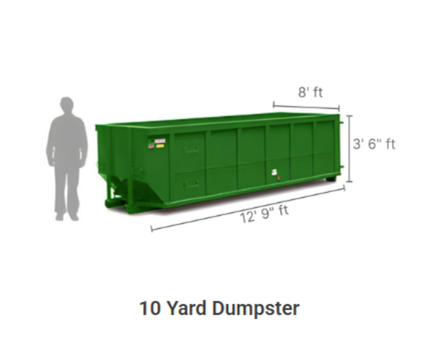
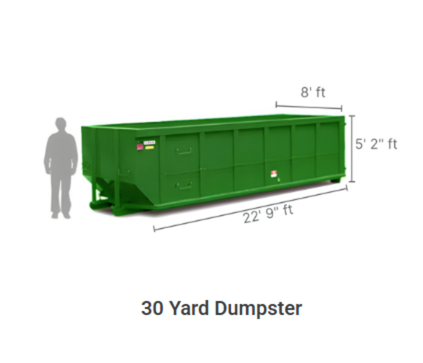
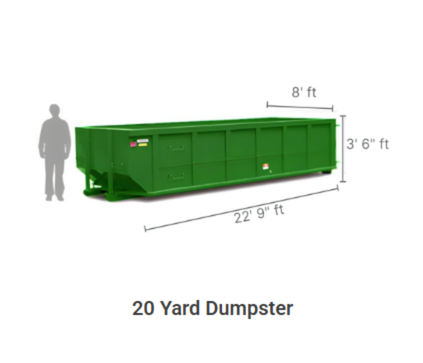
The footprints matter for planning your driveway space. A typical 10 yard runs about 12 feet long and 8 feet wide with sides around 3.5 feet tall, low enough to toss debris over the wall. The 20 yard stretches to roughly 22 feet long with 4 foot sides, and the 30 yard keeps that same footprint but rises to about 6 feet tall. All of them need overhead clearance for delivery, so wires and branches above the drop spot count too.

Matching containers to common Winchester projects

The 10 yard is the right call for a garage or basement cleanout, a bathroom remodel, carpet and flooring removal from a few rooms, or a small deck teardown. It is also the workhorse for heavy material like concrete, brick, or dirt, which we will explain in a moment. The 20 yard steps up to kitchen remodels, roof tear offs on typical homes, siding and window replacements, large basement cleanouts, and estate cleanouts in smaller houses.

The 30 yard is for volume: new construction, additions, whole home cleanouts, major demolition, and big commercial jobs. Contractors around Winchester often keep a 30 on site for the length of a build and have us swap it as it fills. If you are staring at a project and genuinely cannot decide between two sizes, count on debris expanding once it is torn out. Demolition material never packs as tight as it sat in the wall.

Matching containers to common Winchester projects, D&M Container Service

Weight limits matter as much as volume

Every rental includes a weight allowance, commonly two to four tons depending on the container, and going over adds a per ton overage charge at the landfill scale. For household junk and renovation debris, weight rarely becomes an issue before the container fills. Dense materials flip that math completely: concrete, brick, block, dirt, asphalt, and roofing shingles all hit weight limits long before they hit the rim.

That is why heavy material belongs in smaller containers. A 10 yard filled with concrete already weighs more than most trucks can legally haul, which is the real reason no hauler will let you load a 30 yard with masonry. If your project mixes heavy and light debris, tell us when you order. Sometimes the smart move is one small container for the dense material and one larger one for everything else.

What dumpster rental costs in the Winchester area

For typical week long residential rentals around Winchester, a 10 yard generally runs in the range of $300 to $400, a 20 yard $375 to $500, and a 30 yard $450 to $650, with the included weight allowance built into the price. Prices vary with debris type, total weight, rental length, and delivery distance, so treat those numbers as a realistic ballpark rather than a quote.

The bigger point is how the math plays out in practice. The jump from one size to the next is usually $75 to $150, while a second delivery of a small container costs a full rental fee. That asymmetry is why the size up when unsure rule exists. A slightly roomy container costs a little extra. An overflowing one costs a second haul and a project delay.

Bottom Line

Match the container to the project: 10 yard for small cleanouts and heavy masonry, 20 yard for most renovations and roofs, 30 yard for construction and whole home jobs, and size up whenever you are on the fence. Volume fills faster than people expect and weight limits rule the dense materials. If you would rather just describe your project and have someone pick for you, that is literally what we do all day. Call D&M Container Service and we will get the right size roll off headed to your Winchester driveway.

Related reading: How Much Does It Cost to Rent a Dumpster in Virginia

What Drives the Cost of a Dumpster Rental (It’s Not What Most People Think)

Size and Time Are Not the Expensive Parts

When people think about dumpster rental costs, they immediately focus on two things: the size of the container and how long they need it. But those are actually the two cheapest variables in the whole process.

Going from a 10 yard container to a 30 yard might only add $50 to $75 to your total. And extending your rental by a few days beyond the standard window usually costs less than $15 a day. The real cost of a dumpster rental lives in places most people don’t look until the final bill shows up.

Weight Is Where the Money Goes

Every dumpster rental includes a weight allowance, and staying under that number is the single most important thing you can do to keep your cost down. Light materials like cardboard, furniture, drywall, and general household junk rarely cause problems.

The trouble starts with heavy materials. Concrete, brick, asphalt, dirt, and roofing shingles are dense and they add up fast. One small bathroom demo with a concrete floor can push a container well past its weight limit. Overage charges are typically billed per ton, and that’s where a $350 rental turns into a $550 bill.

If your project involves heavy materials, mention it when you order. A good rental company will set expectations upfront and help you avoid surprises.

Waste Type Can Add Hidden Costs

Not all debris is treated equally at the landfill. Standard construction and household waste is straightforward. But certain items either carry additional disposal fees or aren’t accepted at all.

Common items that cause issues include mattresses, tires, appliances with refrigerants, paint, batteries, and electronics. If any of these end up in your container without prior arrangement, you could face a surcharge or have the load rejected entirely.

The fix is simple. Know what’s going in the dumpster before it shows up. If you’re not sure about a specific item, ask your rental company. One quick phone call can save you from an unexpected charge.

How to Get the Best Value on Your Dumpster Rental

Go one size up. The price difference is minimal and it prevents you from needing a second haul.

Separate heavy materials from light debris whenever possible. Loading concrete on top of household junk makes the whole container heavier and more expensive.

Break down large items before loading. Flat packing furniture, lumber, and boxes lets you maximize every square foot of space.

Plan your timeline loosely. The standard rental window is generous and daily extensions are cheap. Don’t pay for rush delivery or scramble to finish early just to save a few dollars on the rental period.

Dumpster Rental Pricing Explained: Why Size and Time Don’t Cost What You’d Expect

A Bigger Container Doesn’t Mean a Bigger Bill

Here’s something most people don’t realize until they actually get a quote. The price jump between a 10 yard, 20 yard, and 30 yard dumpster is surprisingly small. We’re talking a difference of maybe $30 to $75 in most cases.

That’s because the biggest cost in a dumpster rental isn’t the container itself. It’s the truck rolling out to your property, the driver placing it, and the disposal fees at the landfill. Those costs stay roughly the same whether you’re renting the smallest or the largest option.

So when you’re deciding between sizes, lean toward the bigger one. Paying a few extra dollars now beats paying for a whole second delivery later.

Keeping It Longer Costs Less Than You’d Guess

A lot of people try to cram their project into the shortest possible window because they think every extra day is expensive. In reality, most rental companies include 7 to 14 days in the base price, and extensions run just a few dollars per day after that.

The cost of rushing a project and making mistakes or injuring yourself is way higher than $10 a day. Take your time. The rental period is the cheapest part of the whole equation.

The Real Cost Drivers Most People Overlook

Tonnage. Your rental comes with an included weight limit. Light debris like household junk, drywall, and wood stays well within that range. But one load of concrete or dirt can blow past it fast. Overage fees are charged per ton and that’s where bills get unexpectedly high.

Mixed loads. Mixing heavy materials with regular debris makes the entire container heavier. If you have a project that involves both, ask about splitting it into separate loads. It can actually be cheaper than paying the overage on one mixed container.

Landfill restrictions. Certain materials cost more to dispose of or aren’t accepted at all. Mattresses, tires, and hazardous waste are common ones. Knowing what can and can’t go in the container before you start loading saves you from fees and delays.

The Smartest Way to Approach Dumpster Rental Pricing

Get your quote upfront and ask specifically about the included weight limit. Know what type of debris you’re dealing with before you order. Go one size up. And don’t stress about the rental period because that’s the last thing that’s going to impact your total.

How Much Does It Cost to Rent a Dumpster in Virginia?

The Price Gap Between Sizes Is Smaller Than You Think

Most people assume jumping from a 10 yard container to a 20 yard or even a 30 yard is going to double the price. It doesn’t. The difference between sizes is usually only $30 to $75, which is nothing compared to the headache of running out of space halfway through your project.

If you’re cleaning out a garage, remodeling a bathroom, or tearing off a deck, going one size up is almost always the smarter move. You get the extra room without a major hit to your wallet.

Rental Length Is One of the Smallest Costs

Standard rental periods usually fall between 7 and 14 days. If your project runs long, most companies charge a small daily fee to extend, typically somewhere in the $5 to $15 range per day.

The majority of your cost is baked into delivery, pickup, and disposal. Keeping the container an extra few days barely moves the total. So don’t rush your project just to avoid a fee that’s smaller than a fast food run.

What Actually Makes a Dumpster Rental More Expensive

Weight overages. Every rental includes a weight allowance. Go over that limit and you’ll pay per ton on the overage. Heavy materials like concrete, brick, dirt, and roofing shingles are the usual culprits.

Prohibited or special waste. Paint, chemicals, tires, appliances with freon, and electronics typically can’t go in a standard container. If they end up in there, you could face surcharges or a rejected load at the landfill.

Delivery distance. Staying within the company’s primary service area keeps your cost flat. Outside that zone, a fuel or mileage surcharge may apply.

How to Save Money on Your Rental

Order one size up instead of risking a second haul. Break down bulky items so you use every inch of space. Separate heavy materials from light debris to stay under the weight limit. And plan your timeline around the standard rental window to avoid daily extensions.