
Renting a Dumpster for a Roofing Tear Off
A roofing tear off produces debris faster than almost any other project. A crew can strip an entire roof in a morning, and every square foot of it comes down as heavy, nail studded shingles that have to land somewhere. Without a container positioned right, that somewhere becomes your lawn, your flower beds, and your driveway, one wheelbarrow load at a time.
Whether you are a homeowner coordinating with a roofer or a contractor lining up your own containers, the dumpster decision comes down to weight math and placement. Both are easy to get right once you know how shingles behave, and both are miserable to get wrong on tear off day.
What size dumpster do you need for a roof tear off?
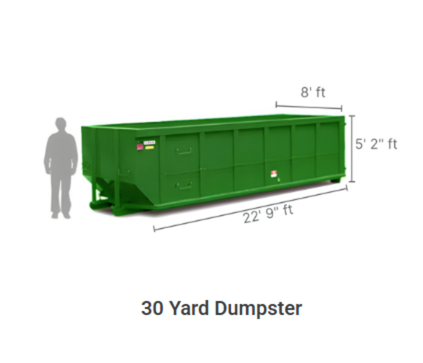
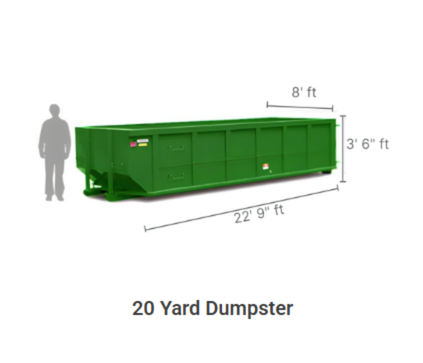
A 20 yard roll off is the standard choice for most residential roof tear offs in Winchester, comfortably handling a single layer tear off on a typical home of 25 to 30 squares. Smaller roofs, garages, and partial repairs fit a 10 yard, while very large homes or roofs with multiple shingle layers step up to a 30 yard or a scheduled swap.
The reason size charts alone mislead people is that roofing is a weight game, not a volume game. Shingles are dense, and a container full of them hits its weight limit long before it looks full. That is why the number of squares and layers on your roof matters more than the container’s dimensions, and why your hauler will ask about both.
Shingle weight drives everything
Roofers measure in squares, where one square equals 100 square feet of roof surface. A square of standard architectural asphalt shingles weighs roughly 250 to 300 pounds once torn off, including the felt and nails that come with it. Run the math on an average 28 square Winchester roof and you get somewhere around 3.5 to 4 tons of debris from a single layer, which lands right at the weight allowance of a typical 20 yard rental.
Layers multiply that number. A roof with two layers of shingles produces double the tonnage, pushing even a modest home into 30 yard territory or a mid job swap. Older homes around Winchester and Frederick County frequently carry that second layer, so check before you order: look at the roof edge or ask your roofer how many layers are coming off. Cedar shake and slate are entirely different weight conversations worth a phone call.
Placement makes or breaks tear off day
The ideal spot for a roofing dumpster is as close to the eaves as possible, positioned so the crew can toss or slide debris directly from the roof into the container. Every foot between the roof edge and the dumpster becomes wheelbarrow work, which slows the job and scatters nails across the yard. Most crews want the container on the driveway along the side of the house where the largest roof planes drain.
Protect the driveway before the container lands. A loaded roofing dumpster concentrates serious weight on its rails, so plywood sheets or boards under the contact points spread the load and prevent cracked concrete or dented asphalt, something we can place at delivery if you ask. Check overhead as well: the delivery truck raises its bed to roll the container off, so power lines, tree limbs, and carports above the drop zone rule a spot out.
Keeping the site clean and nail free
Nails are the lasting souvenir of a sloppy tear off. The best defense is containment from the start: tarps draped from the eaves to the dumpster rim catch strays, and plywood over landscaping shields plants from both debris and foot traffic. Crews that strip methodically and toss directly into the container leave dramatically less cleanup than crews that pile debris and move it twice.
The final pass matters most for anyone with kids, pets, or tires. A rolling magnetic sweeper run over the lawn and driveway picks up the nails that escaped, and running it twice in different directions catches the ones lying at odd angles. Ask your roofer whether the magnet sweep is included in their cleanup, because the good ones do it without being asked, and gutters deserve a check too since tear off debris loves to settle there.
Timing the container around weather
A tear off exposes your home to the sky, so roofers watch forecasts closely and move fast when a window opens. The container needs to be sitting in the driveway before the crew arrives, which is why we recommend scheduling delivery a day ahead of the planned start. An afternoon thunderstorm, common in a Winchester summer, is a manageable problem for a crew with a stocked site and a disaster for one waiting on a container.
Order the container for a couple days beyond the expected finish as well. Weather delays, material shortages, and surprise decking repairs stretch roofing timelines all the time, and a little slack in the rental beats paying for a rushed extension. When the last shingle is in, one call schedules the pickup, and the weight ticket from the landfill confirms where your load landed against the allowance.
Bottom Line
For a roofing tear off, count your squares and layers first: a 20 yard container fits the typical single layer Winchester roof, with a 10 yard for small jobs and a 30 yard or swap for big or double layer roofs. Place the container tight to the eaves with boards under the rails, contain debris as it comes down, and finish with a magnet sweep. D&M Container Service delivers roofing dumpsters across Winchester and Frederick County and can size your job from a quick description, so call before your tear off date and we will have steel on site when the crew shows up.
Related reading: What Can and Cannot Go in a Roll Off Dumpster, What Size Dumpster Do You Need


