
What Can and Cannot Go in a Roll Off Dumpster
A roll off dumpster feels like permission to throw away anything, and for the most part it is. Furniture, junk, renovation debris, and decades of accumulated garage mystery boxes all disappear into one container. But a handful of materials can never ride along, and tossing them in anyway leads to rejected loads, extra fees, and occasionally a genuinely dangerous situation for the driver.
None of the rules are complicated once someone spells them out. Here is the honest rundown of what can go in, what absolutely cannot, the gray area items worth a phone call, and where Winchester residents can take the banned stuff instead.
What is not allowed in a roll off dumpster?
The universal prohibited list covers hazardous materials: wet paint, stains, and solvents, motor oil and automotive fluids, gasoline and propane tanks, chemicals and pesticides, batteries, tires, asbestos, and anything containing refrigerant, such as refrigerators and air conditioners that have not been professionally drained. Medical waste and anything flammable or under pressure are off limits as well.
Everything on that list is banned because the landfill cannot legally accept it, not because haulers enjoy rules. When a prohibited item turns up in a load, the disposal facility charges the hauler, and that cost passes back to the renter. Worst case, a whole load gets rejected or a punctured container of chemicals creates a hazard on the truck. When in doubt, ask before you toss.
The good news: almost everything else is fine
The allowed list is far longer than the banned one. Household junk of every kind is fine: furniture, mattresses in most cases, clothing, toys, boxes, carpet, and general clutter. Renovation and construction debris is exactly what roll offs are built for, including drywall, lumber, flooring, tile, cabinets, countertops, siding, windows, doors, and roofing shingles. Yard waste like brush, limbs, and leaves is generally accepted too, which makes a single container work for projects that spill from the house into the landscaping.
Appliances are mostly fine as well, with the refrigerant caveat. Washers, dryers, stoves, dishwashers, and water heaters can all go in. Refrigerators, freezers, air conditioners, and dehumidifiers only become acceptable after a certified technician removes the refrigerant and tags the unit, which is a federal rule rather than a company policy. If that step sounds like a hassle, scrap metal recyclers around Winchester will often take refrigerant bearing appliances off your hands, sometimes for free.
Gray area items worth a phone call
A few materials are allowed but come with conditions, and this is where a quick call saves money. Mattresses and box springs are accepted by some facilities and surcharged by others, so the answer can carry a small per item fee. Electronics like televisions and computer monitors face disposal restrictions in many jurisdictions, and while Virginia is more lenient than some states, recycling them is both cleaner and often free at retailer drop off programs.
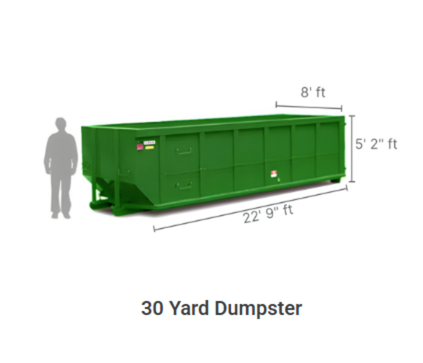
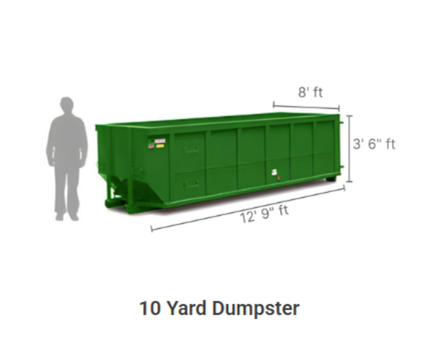
Heavy masonry is its own category. Concrete, brick, block, asphalt, and dirt are perfectly legal to dispose of, but they are so dense that they must go in a small container as a dedicated load rather than mixed into a 30 yard with your renovation debris. Weight limits, not rules, drive that one, since a container of concrete maxes out a truck long before it looks full. Stumps and large tree sections vary by facility too. Tell your hauler what you have when you order and none of this becomes a surprise on the final bill.
Where to take the banned items around Winchester
Every prohibited material has a legitimate local disposal path. The Frederick County landfill complex on Sulphur Spring Road accepts many special items and runs household hazardous waste collection for things like paint, chemicals, and pesticides, with specific programs and schedules posted by the county. Latex paint has an easy home remedy as well: dry it out with cat litter or paint hardener, and the hardened can is normal trash. Electronics can go to retailer drop off programs, and several big box stores in the Winchester area take old televisions, monitors, and computers year round.
Auto parts stores take used motor oil and car batteries at no charge, and most pay nothing but ask nothing either. Tire retailers accept old tires for a small fee, usually a few dollars each. Propane tanks go back to exchange programs or the supplier. And scrap metal yards happily accept appliances, often including the refrigerant units, because the metal has value. Ten minutes of sorting before your dumpster arrives keeps the whole load clean and your final bill exactly what you were quoted.
Bottom Line
Roll off dumpsters accept nearly everything a home or job site produces: junk, furniture, renovation debris, roofing, most appliances, and yard waste. The hard bans cover hazardous materials, refrigerant, tires, batteries, and liquids, and the gray area items just need a quick conversation. Sort the banned handful out first and the rest of your project is as simple as tossing and calling for pickup. If you are not sure about something specific, call D&M Container Service before you load it. We would rather answer a question up front than surprise a Winchester customer with a fee.
Related reading: What Size Roll Off Dumpster Do You Need


