
How Winchester Businesses Use Roll Off Dumpsters
Ask most business owners about dumpsters and they picture the bin behind the building that gets emptied on Tuesdays. That bin handles the everyday trash, but it was never designed for the other kind of waste a business generates: the renovation, the warehouse purge, the office full of retired furniture, the storm damage cleanup.
That work belongs to roll off containers, and businesses around Winchester use them constantly, from Old Town storefronts to warehouse operations along the Route 522 corridor. Here is how commercial roll off service works and how to plan one around customers, deliveries, and a property you may not fully control.
How does dumpster rental work for a business?
It runs like residential rental with more planning around the property: a roll off container arrives for a project or cleanout, the business fills it on its own schedule, and swaps replace full containers on ongoing jobs. Placement gets coordinated around parking, customer access, and landlord requirements, and repeat service can run on a standing schedule.
The main difference is who needs to know. A homeowner answers to nobody about the driveway, while a business placement can involve a property manager, a shared lot, and customers who still need somewhere to park at nine tomorrow morning. All of it is solvable, and all of it is easier with a day of forethought.
The projects that fill commercial containers
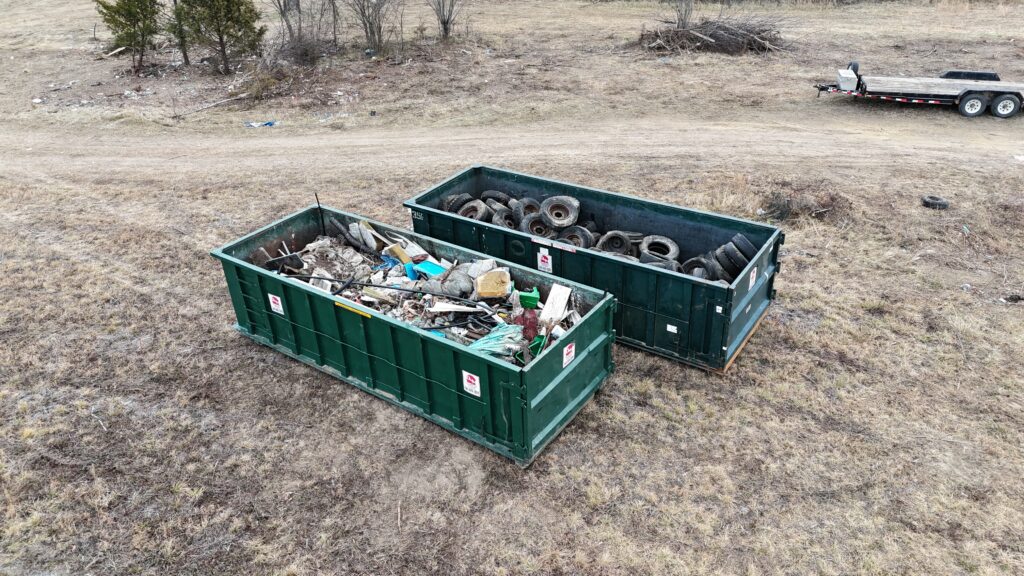
Renovations lead the list: dining room refreshes, retail buildouts, office reconfigurations, and the flooring, fixtures, and drywall they produce. Cleanouts run a close second, from decades of dead inventory and equipment in warehouses to the office furniture nobody has sat in since the last lease. Property managers rotate containers through tenant turnovers, and restoration companies stage them for storm and water damage work. Seasonal operations run their own cycles too, from landscapers clearing shop space to farm stands resetting after harvest.
Fall sharpens the calendar. Retailers clear space and refresh sales floors ahead of the holiday season, restaurants squeeze remodels into the slow weeks before the rush, and offices purge before year end. If your business runs on that rhythm, container availability in September and October rewards booking a few days ahead.
A roll off is not your weekly trash service
The bin behind the building, usually a front load container emptied on a route, exists for bagged everyday waste under an ongoing service contract. A roll off is project equipment: it arrives for a defined job, holds dramatically more volume, accepts bulky debris like furniture, fixtures, and construction material, and leaves when the project ends.
Trouble starts when the two get confused. Stuffing renovation debris into the weekly bin overfills it and violates most service agreements, while a roll off makes no sense for daily bagged trash. The clean setup for a business tackling a project is both at once, each handling exactly what it was built for.
Placement on a commercial property
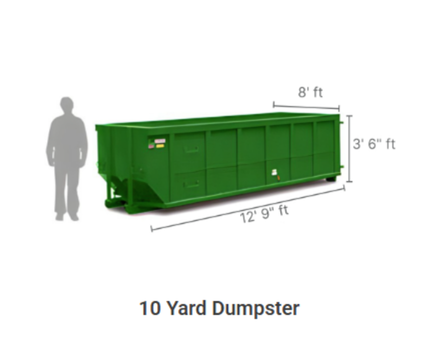
Walk the property before ordering and look for the spot that disrupts the least: a few parking spaces at the edge of the lot, a corner of the loading area, or pavement beside the building away from entrances. Keep fire lanes open, keep accessible parking and routes clear, and leave delivery trucks their turning room. The roll off truck needs a straight approach and overhead clearance, so awnings, canopies, and utility lines rule out some otherwise perfect corners.
If the business leases its space, loop in the property manager before delivery day. Most landlords approve container placements routinely but want to pick the location, and some multi tenant properties set rules about duration and surface protection. Boards under the rails protect a parking lot the same way they protect a driveway. A photo of the intended spot, sent over when you order, answers most placement questions in seconds.
Keeping long projects moving with swaps
For projects that outlast one container, swap service does the heavy lifting: a truck hauls the full container and drops an empty in the same footprint, usually in a single visit. Contractors running commercial jobs around Winchester keep that rotation going for months, and the site never stalls waiting on disposal space. One call sets the rotation, and after the first visit the driver already knows the property.
Standing arrangements suit operational needs too. Businesses that generate steady bulky waste, like furniture stores handling customer haul aways or property managers with constant turnovers, sometimes keep a container on site and call for service as it fills. If your operation has that rhythm, one conversation sets up service that matches it.
Bottom Line
Commercial roll off rental is the same simple loop businesses already know from home, plus placement planning: choose the corner of the property that disrupts the least, clear it with the landlord if you lease, protect the pavement, and lean on swaps for anything long running. D&M Container Service works with businesses, contractors, and property managers across Winchester and Frederick County, so call with your project and we will fit a container into your operation without interrupting it.
Related reading: Will a Dumpster Damage Your Driveway?, Do You Need a Permit to Put a Dumpster on the Street?


