
Delivery and Turnaround: How Dumpster Rental Works
Most people rent a dumpster twice in their life, so nobody should feel bad about not knowing how the process works. The whole system is built to be simple: a truck delivers a container, you fill it on your schedule, and the truck comes back and hauls everything away. The questions are all in the details, and the details are what this article covers.
If you have a project coming up in Winchester and you are wondering how fast a container can appear in your driveway, what you need to do before it arrives, and how pickup gets scheduled, here is the entire lifecycle of a roll off rental from first call to final haul.
How fast can you get a dumpster delivered?
In the Winchester area, a roll off dumpster can typically be delivered next day, and same day delivery is often possible when you call in the morning and a truck is in your area. During the busy season, roughly April through October, ordering two to three days ahead guarantees your preferred date, since spring cleanouts and construction season book up delivery routes fast.
Turnaround on the back end moves just as quickly. Once you call for pickup, containers are usually hauled within one to two business days. For a homeowner, that means the entire rental can fit neatly inside a project week: delivered Friday, filled over the weekend and week, gone by the next weekend.
What happens when you place the order
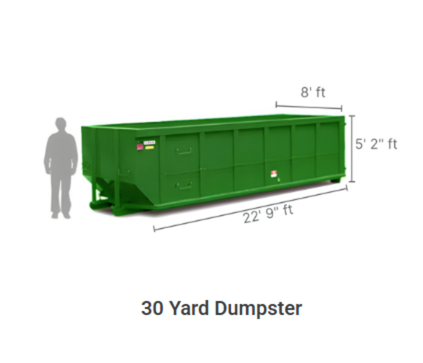
The first phone call covers five things: what you are tossing, which size container fits, the delivery address, where on the property the container should sit, and how long you expect to need it. Debris type matters more than people realize, since heavy material like concrete changes both the container size and the disposal path, and a good hauler will ask rather than assume.
You will also want to know the space requirements before settling on a spot. A roll off truck needs roughly 60 feet of straight runway to back in and roll the container off, about 10 to 12 feet of width, and around 20 feet of overhead clearance for the raised truck bed. That last one eliminates spots under power lines, tree canopies, and carports. Most Winchester driveways work fine, but a tight cul de sac or a steep gravel drive is worth mentioning on the call.
Getting ready for delivery day
Preparation takes ten minutes. Move vehicles out of the driveway before the delivery window, since the truck needs the full runway and cannot thread past parked cars. If you will not be home, mark the exact spot with cones, chalk, or a text message description, because the driver will place the container where instructions say and repositioning later requires another truck visit. Clear, specific placement instructions are the single best thing a customer can provide.
Think about surface protection too. Containers rest on steel rails, and a loaded one is heavy, so boards or plywood under the contact points protect concrete and asphalt from scratches and pressure marks. If the only workable spot is on the street rather than your property, placement in the public right of way can require a permit from the City of Winchester or Frederick County depending on where you live, and it is worth sorting that out before delivery day rather than after a neighbor complains.
During the rental: filling it right
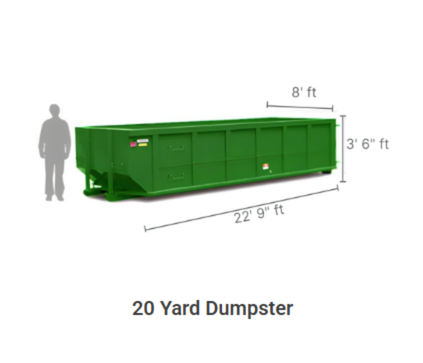
Standard rental periods run about 7 to 14 days depending on the agreement, with extensions available for a daily rate if the project runs long. Fill the container evenly, load flat and heavy items first, and keep everything at or below the top rim. That level fill line is not fussiness: trucks cannot legally haul containers with material sticking above the walls, and a driver who arrives to an overflowing box has to wait while you offload the excess, sometimes with a return trip fee attached.
Keep the weight allowance in mind as you load, especially with dense debris. Mixed household and renovation material rarely hits the limit, but dirt, shingles, and masonry get heavy fast. If your project starts producing more debris than expected, call before the container overflows. A swap, where the full container is hauled and an empty one drops in its place, keeps a big project moving without a single wasted day.
Pickup and what happens after
When you finish loading, one phone call schedules the pickup, and you do not need to be home for it. The driver hauls the container to the disposal facility, where it crosses a certified scale, and that weight ticket determines whether your load stayed inside the included allowance. Loads that come in under the limit close out at the quoted price, and overweight loads add a per ton charge, which is why the debris conversation at ordering time matters.
For ongoing projects, the cycle simply repeats: empty containers return, full ones leave, and contractors around Winchester run that rotation for months on bigger builds. For a one time rental, pickup is the end of the story. The driveway is clear, the debris is gone, and the whole transaction usually involved exactly two phone calls.
Bottom Line
Dumpster rental runs on a simple loop: order a day or two ahead, clear 60 feet of runway on delivery day, fill the container level over your one to two week rental, and call when you are ready for pickup. The details that keep it smooth are honest debris descriptions, specific placement instructions, and staying below the rim. D&M Container Service runs this loop across Winchester and Frederick County every day, usually on next day timing, so when your project date firms up, one call puts a container in your driveway right on schedule.
Related reading: Renting a Dumpster for a Roofing Tear Off


